Dubai–Abu Dhabi Metro 2026: A New Era of Connectivity and Real Estate Growth
The upcoming high-speed rail between Dubai and Abu Dhabi, scheduled to launch in 2026, marks one of the most transformative infrastructure developments in the UAE’s history. More than just a transportation project, it represents a major leap toward a unified national urban ecosystem, reshaping mobility, lifestyle, and investment opportunities across the country.
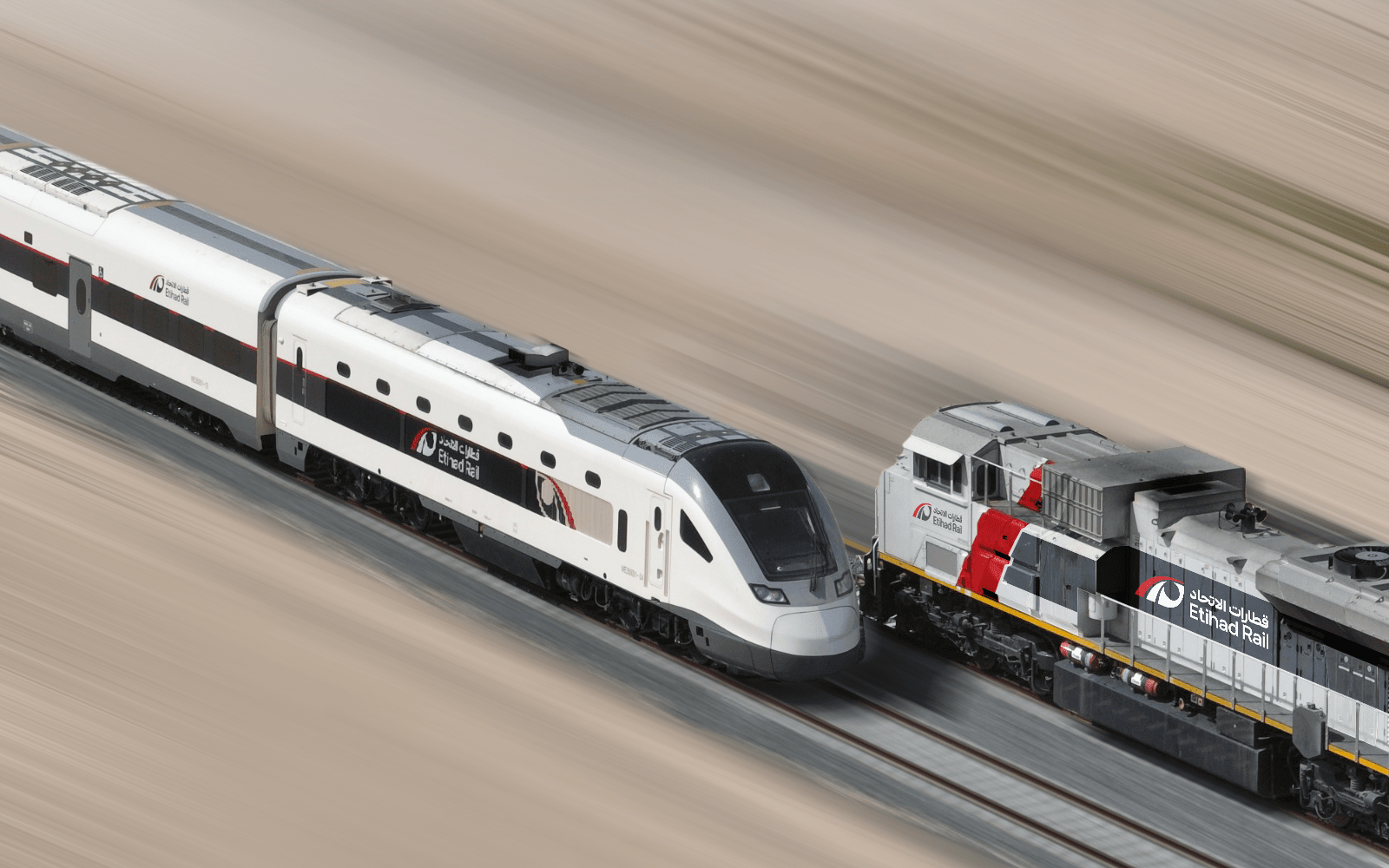
The Etihad Rail Passenger Line will connect all seven emirates through an advanced rail network spanning nearly 900 kilometers. Initially designed for freight, the system is now transitioning to serve passengers by 2026, enabling fast, comfortable, and eco-friendly travel.
Key highlights include:
- Travel time between Dubai and Abu Dhabi: less than one hour
- Maximum speed: up to 200 km/h
- Full integration with other transport networks — Metro, buses, taxis, and smart mobility systems
- A unified payment system (similar to Dubai’s NOL card) connecting all transport services
This project is a cornerstone of the UAE’s Vision 2030–2050, supporting population growth, sustainability goals, and the shift toward a smarter, more efficient national infrastructure.
The impact of the Dubai–Abu Dhabi metro will extend far beyond transportation. For investors, developers, and residents, it signals the beginning of a new wave of real estate growth and value creation.
1. Accelerated Urban Growth Between the Two Cities
Strategic zones along the route — such as Seih Al Sdeira, Jebel Ali, Al Ghannaya, and Al Samha — are expected to become thriving new districts. These areas are already drawing developer attention for mixed-use projects that combine residential, retail, and commercial offerings.
2. Price Stability and Balanced Demand
The metro will redistribute housing demand, easing pressure on central Dubai and Abu Dhabi while boosting mid-point areas. This will lead to greater price stability, a more balanced market, and expanded options for investors and residents seeking value and convenience.
3. Developers’ Shift Toward Integrated Communities
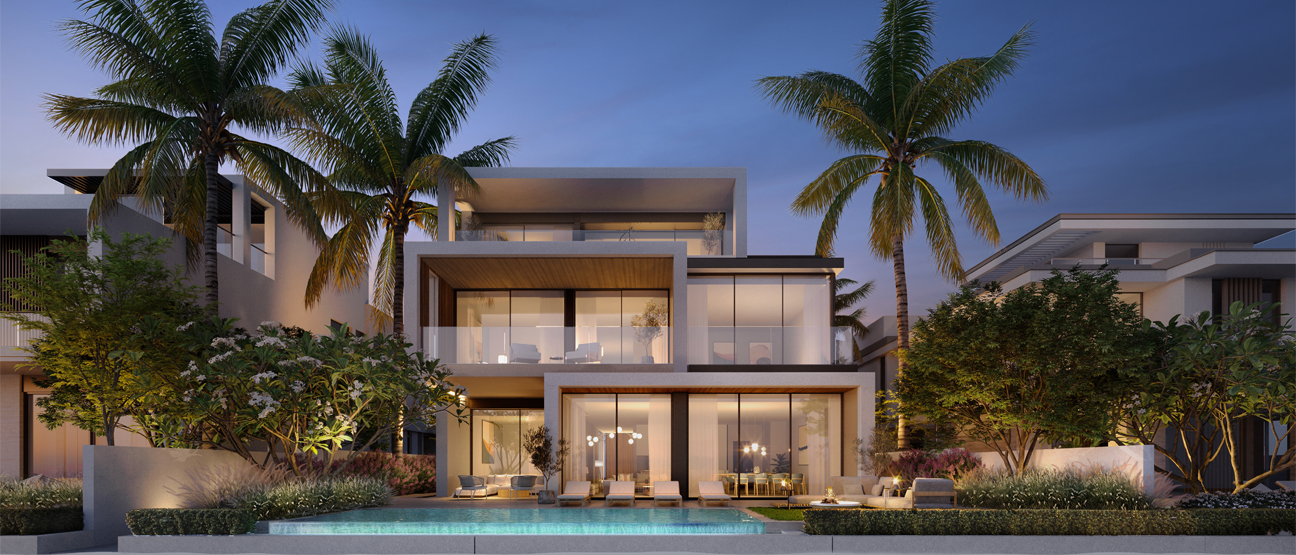
Top developers such as Emaar, Aldar, Taraf, and Arada are now focusing on sustainable, transit-oriented communities. These developments will feature green spaces, schools, healthcare, retail, and direct metro access — creating lifestyle destinations that embody the “live, work, connect” philosophy.
4. Rising Land and Property Values
Properties located near metro stations are projected to see 15%–25% value growth within the first three years of operation. Accessibility and connectivity are becoming key drivers of appreciation, particularly for high-end residential and commercial assets.
5. Attracting Long-Term Foreign Investment
With faster travel and increased integration between cities, the UAE will become even more appealing to global investors. The ability to live in one city and work in another strengthens both lifestyle flexibility and long-term investment returns — positioning the UAE as one of the world’s most dynamic real estate hubs.
Whether you’re looking to invest near upcoming metro corridors or explore new high-growth communities, our team is ready to guide you toward the most promising opportunities that combine strategic location, long-term appreciation, and lifestyle excellence.
At Celonova Real Estate, we believe the 2026 Dubai–Abu Dhabi Metro represents a turning point in UAE’s property evolution.
Nour alnounou CEO & Founder of Celonova Realestate
Looking to invest in Dubai?
Get in touch with Celonova Real Estate – Luxury Property Advisory & Brokerage in Dubai, and let us help you find the perfect investment opportunity tailored to your goals.